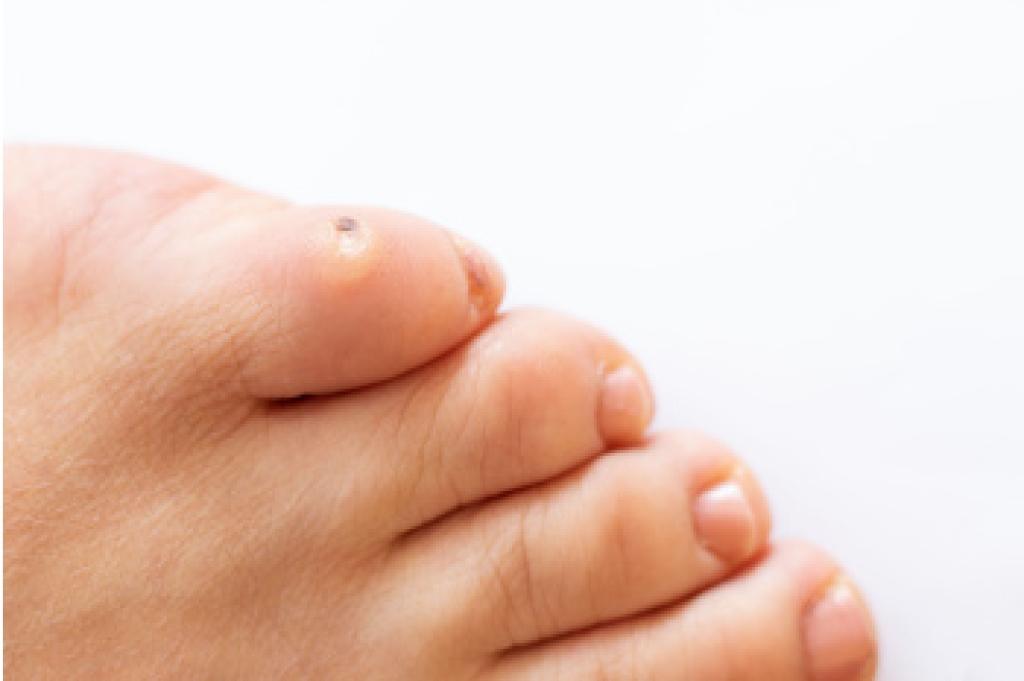
Why Corns Develop on Feet and Toes

Corns are thick areas of skin that form where repeated pressure or rubbing affects the foot. They develop on the top or side of toes, between toes, or on weight-bearing areas of the sole. A corn has a firm central core that presses into deeper skin and causes pain. Hard corns tend to be dry and yellowish. Soft corns between the toes look whitish because moisture keeps them flexible. Unlike a wider, flatter callus, a corn can feel like a thorn pressing into the foot. Discomfort is strongest while standing or walking.

Wearing shoes that are too tight can squeeze the toes and create repeated friction. Loose shoes can let the foot slide and rub against the inside. Hammertoes, bunions, and other changes in foot shape can create pressure points near bones. Dry skin can encourage thickening. People with reduced feeling in their feet may not notice a corn until the skin becomes damaged. This is especially concerning for patients with diabetes, poor circulation, or nerve problems. A podiatrist can examine the area and distinguish a corn from a callus, plantar wart, or other skin problem.

Treatment begins by finding and reducing the source of pressure. The podiatrist can carefully remove thickened skin and the dense core without harming healthy tissue. Treatment includes checking foot structure, toe position, and shoe fit. Padding or custom orthotics can redistribute pressure and protect the affected spot. Wider shoes with ample toe room can prevent continued rubbing. When a foot deformity repeatedly causes corns, the podiatrist can discuss treatment options. Surgery is considered only when a structural problem causes lasting symptoms that do not improve with conservative care. Treatment from a podiatrist is especially important when a corn is red, draining, or surrounded by broken skin. If you have a painful corn on your foot, it is suggested that you schedule an appointment with a podiatrist for effective relief and treatment solutions.

Corns can make walking very painful and should be treated immediately. If you have questions regarding your feet and ankles, contact John Mccain, DPM of Advanced Foot & Ankle Specialists, PA. Our doctor will treat your foot and ankle needs.

Corns: What Are They? And How Do You Get Rid of Them?
Corns are thickened areas on the skin that can become painful. They are caused by excessive pressure and friction on the skin. Corns press into the deeper layers of the skin and are usually round in shape.

Ways to Prevent Corns
There are many ways to get rid of painful corns such as:

  • Wearing properly fitting shoes that have been measured by a professional
  • Wearing shoes that are not sharply pointed or have high heels
  • Wearing only shoes that offer support

Treating Corns

Although most corns slowly disappear when the friction or pressure stops, this isn’t always the case. Consult with your podiatrist to determine the best treatment option for your case of corns.

If you have any questions, please feel free to contact one of our offices located in Stuart and Jupiter, FL . We offer the newest diagnostic and treatment technologies for all your foot care needs.

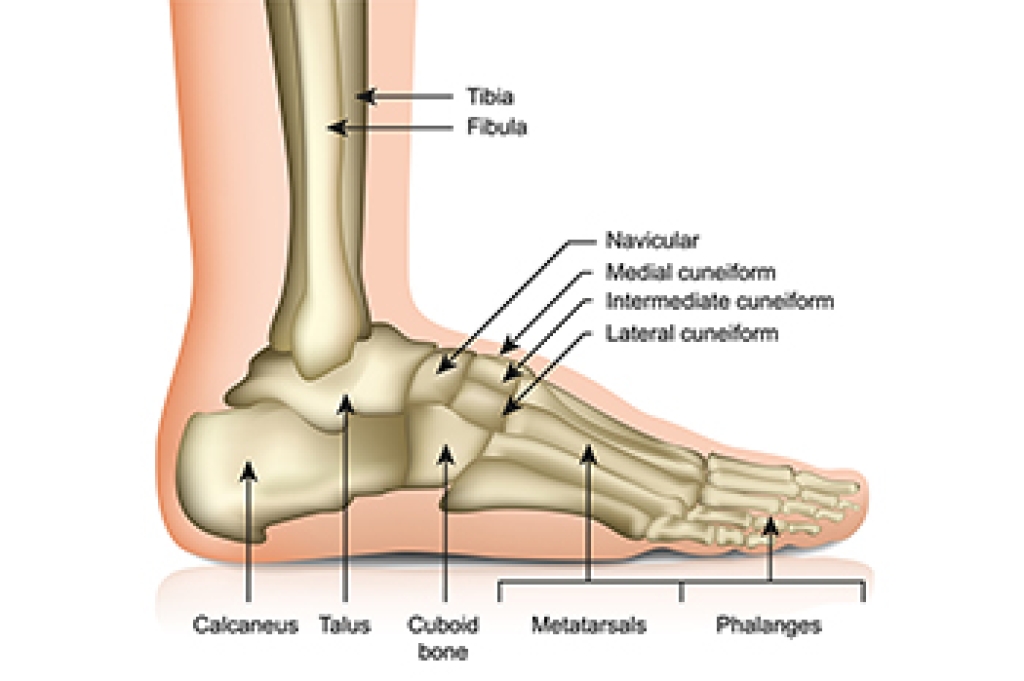
Read more about Understanding Corns and Calluses

It's Time for Beautiful Feet

You don't need an excuse to have beautiful nails. Step outside without worrying about the appearance of your feet.

Poor Foot Posture and Its Connection to Low Back Pain

Poor foot posture occurs when the feet rest or move in an inefficient position that affects normal alignment and function. This can include excessive inward rolling, limited arch support, or uneven weight distribution. Poor foot function may change how the ankles, knees, and hips move during walking. These changes can affect the way the body absorbs impact. Some people may experience foot fatigue, arch discomfort, or uneven wear on their shoes. Addressing foot alignment may help improve overall movement.

Poor foot posture can also be associated with low back pain because the feet provide the foundation for the body during standing and walking. When foot mechanics change, the legs and pelvis may adjust to maintain balance. These adjustments can place additional stress on muscles and joints throughout the lower body. Risk factors include flat feet, previous foot injuries, and prolonged standing. Repetitive activities may also increase strain when the feet do not function efficiently.


Symptoms can vary depending on the underlying cause. Some people notice tired feet, heel discomfort, or changes in walking patterns. Others may develop discomfort that extends into the knees, hips, or lower back. A podiatrist can evaluate foot posture by examining alignment, walking mechanics, and weight distribution. They may also review footwear and assess the range of motion in the feet and ankles. Imaging tests may be recommended when structural problems are suspected.


Treatment depends on the cause and severity of poor foot function. A podiatrist may recommend wearing supportive footwear, custom orthotics, or targeted changes to daily activities. They may also address an underlying foot condition that is affecting alignment. Improving foot support can help create a more stable foundation for movement. If poor foot posture is affecting your comfort or contributing to low back pain, it is suggested that you consult a podiatrist for effective relief and treatment solutions.

If you have any concerns about your feet, contact John Mccain, DPM from Advanced Foot & Ankle Specialists, PA. Our doctor can provide the care you need to keep you pain-free and on your feet.

Biomechanics in Podiatry

Podiatric biomechanics is a particular sector of specialty podiatry with licensed practitioners who are trained to diagnose and treat conditions affecting the foot, ankle and lower leg. Biomechanics deals with the forces that act against the body, causing an interference with the biological structures. It focuses on the movement of the ankle, the foot and the forces that interact with them.

A History of Biomechanics

  • Biomechanics dates back to the BC era in Egypt where evidence of professional foot care has been recorded.
  • In 1974, biomechanics gained a higher profile from the studies of Merton Root, who claimed that by changing or controlling the forces between the ankle and the foot, corrections or conditions could be implemented to gain strength and coordination in the area.

Modern technological improvements are based on past theories and therapeutic processes that provide a better understanding of podiatric concepts for biomechanics. Computers can provide accurate information about the forces and patterns of the feet and lower legs.

Understanding biomechanics of the feet can help improve and eliminate pain, stopping further stress to the foot.

If you have any questions please feel free to contact one of our offices located in Stuart and Jupiter, FL . We offer the newest diagnostic and treatment technologies for all your foot and ankle needs.

Read more about Biomechanics in Podiatry

Foot Care Plays a Key Role in Preventing Falls

Falls can cause serious injuries and reduce a person’s confidence when standing or walking. Adults age 65 and older face a greater risk because balance, vision, and muscle strength can change with age. Foot pain, numbness, and weak ankles can make each step less steady. A podiatrist can assess the feet and ankles to identify problems that affect stability. This assessment includes checking joint movement, muscle strength, and sensation. The podiatrist can also study how a patient stands and walks.

Properly-fitted shoes are an important part of fall prevention. Shoes with wide soles, low heels, and slip-resistant outsoles can provide a more stable base. Secure laces or fasteners help keep the feet from sliding inside the shoes. Soles should be firm enough to provide support but flexible enough for a natural step. A podiatrist can check whether a patient’s shoes fit correctly and meet their needs. Custom orthotics can improve weight distribution and support foot alignment. They can also reduce painful pressure that changes the way a person walks. When foot pain is controlled, patients may feel more confident and move with greater stability.

Strong feet and ankles help the body respond to changes in the ground or an unexpected loss of balance. Research suggests that foot-strengthening exercises can increase foot strength and reduce concerns about falling. A podiatrist can recommend safe movements based on the patient’s health, balance, and ability. The plan can focus on foot strength, ankle control, and steadier movement. Regular foot exams are also valuable because reduced feeling, painful joints, or skin problems can make walking less secure. The podiatrist can treat these concerns and monitor changes that could raise fall risk. Patients should seek prompt care after a fall or when they notice frequent stumbling, new weakness, or trouble feeling the ground. If you have injured your foot and ankle from falling, it is suggested that you schedule an appointment with a podiatrist for effective relief, treatment, and additional fall prevention tips.

Preventing falls among the elderly is very important. If you are older and have fallen or fear that you are prone to falling, consult with John Mccain, DPM from Advanced Foot & Ankle Specialists, PA. Our doctor will assess your condition and provide you with quality advice and care.

Every 11 seconds, an elderly American is being treated in an emergency room for a fall related injury. Falls are the leading cause of head and hip injuries for those 65 and older. Due to decreases in strength, balance, senses, and lack of awareness, elderly persons are very susceptible to falling. Thankfully, there are a number of things older persons can do to prevent falls.

How to Prevent Falls

Some effective methods that older persons can do to prevent falls include:

  • Enrolling in strength and balance exercise program to increase balance and strength
  • Periodically having your sight and hearing checked
  • Discuss any medications you have with a doctor to see if it increases the risk of falling
  • Clearing the house of falling hazards and installing devices like grab bars and railings
  • Utilizing a walker or cane
  • Wearing shoes that provide good support and cushioning
  • Talking to family members about falling and increasing awareness

Falling can be a traumatic and embarrassing experience for elderly persons; this can make them less willing to leave the house, and less willing to talk to someone about their fears of falling. Doing such things, however, will increase the likelihood of tripping or losing one’s balance. Knowing the causes of falling and how to prevent them is the best way to mitigate the risk of serious injury.  

If you have any questions, please feel free to contact one of our offices located in Stuart and Jupiter, FL . We offer the newest diagnostic and treatment technologies for all your foot care needs.
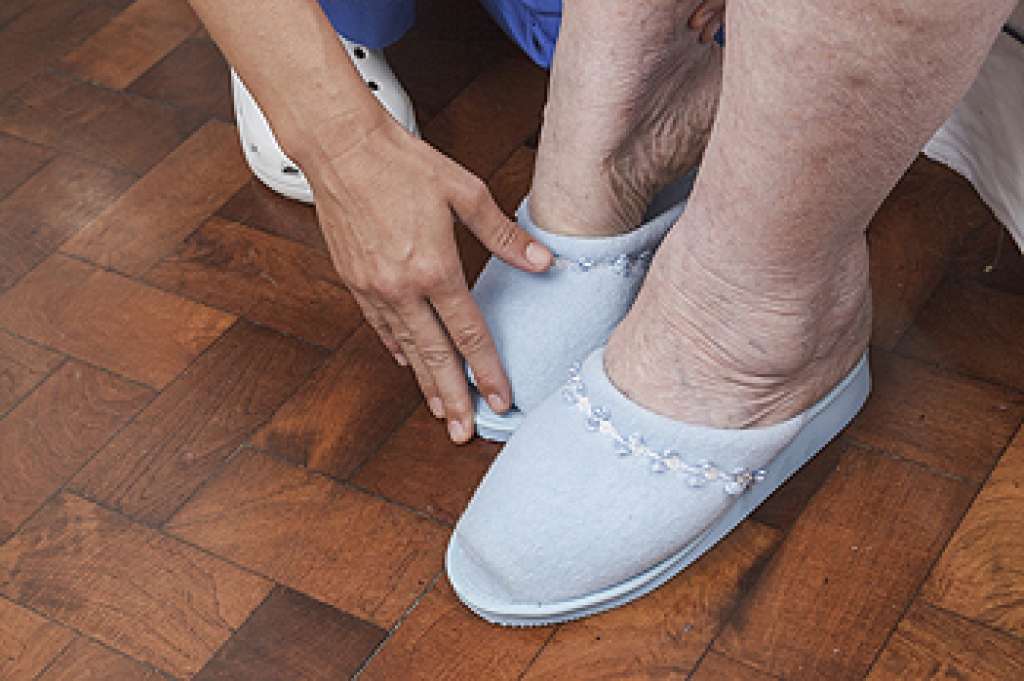
Read more about Falls Prevention

Cracked Heels and Everyday Causes of Dry Skin

Cracked heels develop when the skin around the heel becomes dry, thick, and less flexible. Pressure from walking can cause hardened skin to split, creating visible lines or deeper fissures. Symptoms may include roughness, flaking, and painful cracks. Environmental conditions often contribute. Heat and humidity can increase moisture loss, while cold weather can leave skin dry and irritated. Frequent bathing and harsh skin cleansers may remove natural oils, making the heel skin more likely to crack.

Risk factors include long periods of standing, walking, and wearing open-back shoes that allow the heel to spread. Age can also increase risk because skin gradually loses moisture and elasticity. Repeated exposure to hot water, dry indoor air, and aggressive scrubbing may worsen dryness. People with certain health conditions affecting skin or circulation can develop persistent cracked heels. Recognizing these factors can make prevention easier and help you address dryness before painful fissures develop.


A podiatrist will examine the heels, assess crack depth, and look for irritation or infection. Treatment may include professional removal of thickened skin and a moisturizing cream containing urea or another ingredient. Your podiatrist may also recommend supportive footwear that reduces heel pressure. If infection or inflammation is present, medication may be needed. You may be advised to avoid harsh cleansers, prolonged hot showers, and excessive scraping while keeping the heels moisturized regularly.


Preventing cracked heels requires consistent care and attention to environmental triggers. Use a gentle cleanser, apply moisturizer after bathing, and wear supportive shoes that protect the heel. During cold weather, protect your feet from dry air and avoid very hot water. Seek podiatric care if cracks become deep, painful, or difficult to heal. If you have painful cracked heels, it is suggested that you consult a podiatrist for effective treatment solutions.

If the skin on your feet starts to crack, you may want to see a podiatrist to find treatment. If you have any concerns, contact John Mccain, DPM from Advanced Foot & Ankle Specialists, PA. Our doctor can provide the care you need to keep you pain-free and on your feet.

Cracked Heels

It is important to moisturize your cracked heels in order to prevent pain, bleeding, and infection. The reason cracked heels form is because the skin on the foot is too dry to support the immense pressure placed on them. When the foot expands, the dry skin on the foot begins to split.

Ways to Help Heal Them

  • Invest in a good foot cream
  • Try Using Petroleum Jelly
  • Ease up on Soaps
  • Drink Plenty of Water

Ways to Prevent Cracked Heels

  • Moisturize After Showering
  • Skip a Shower
  • Keep Shower Water Lukewarm
  • Don’t Scrub Your Feet

If you are unsure how to proceed in treating cracked heels, seek guidance from a podiatrist. Your doctor will help you with any questions or information you may need. 

If you have any questions, please feel free to contact one of our offices located in Stuart and Jupiter, FL . We offer the newest diagnostic and treatment technologies for all your foot care needs.
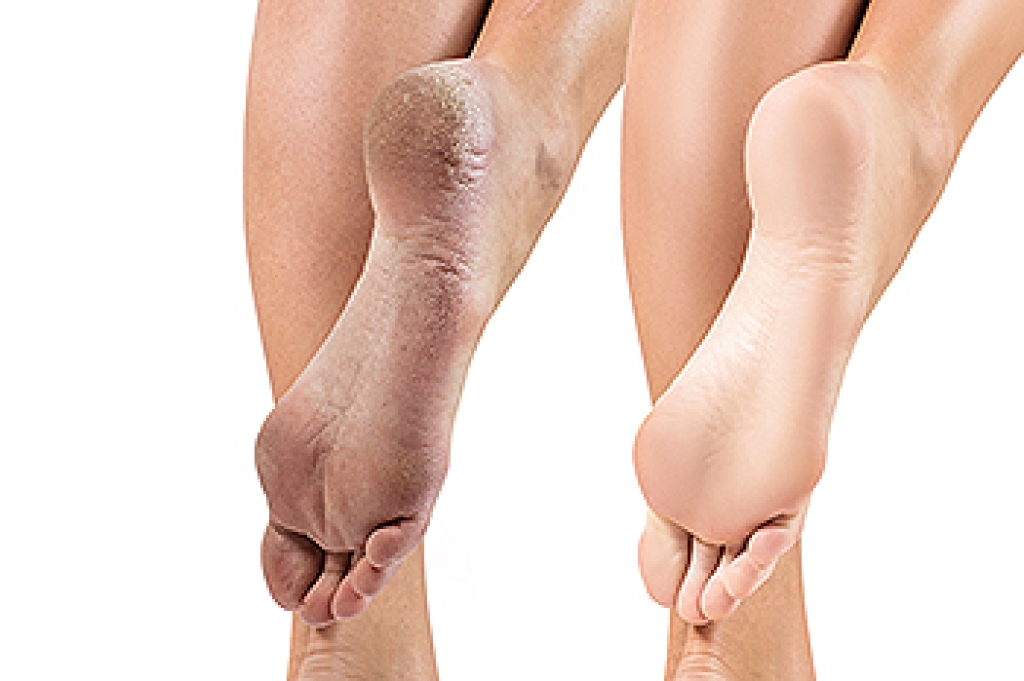
Read more about Solutions for Cracked Heels
Advanced Podiatric Procedures & Services in the