Ingrown Toenails and Foot Structure

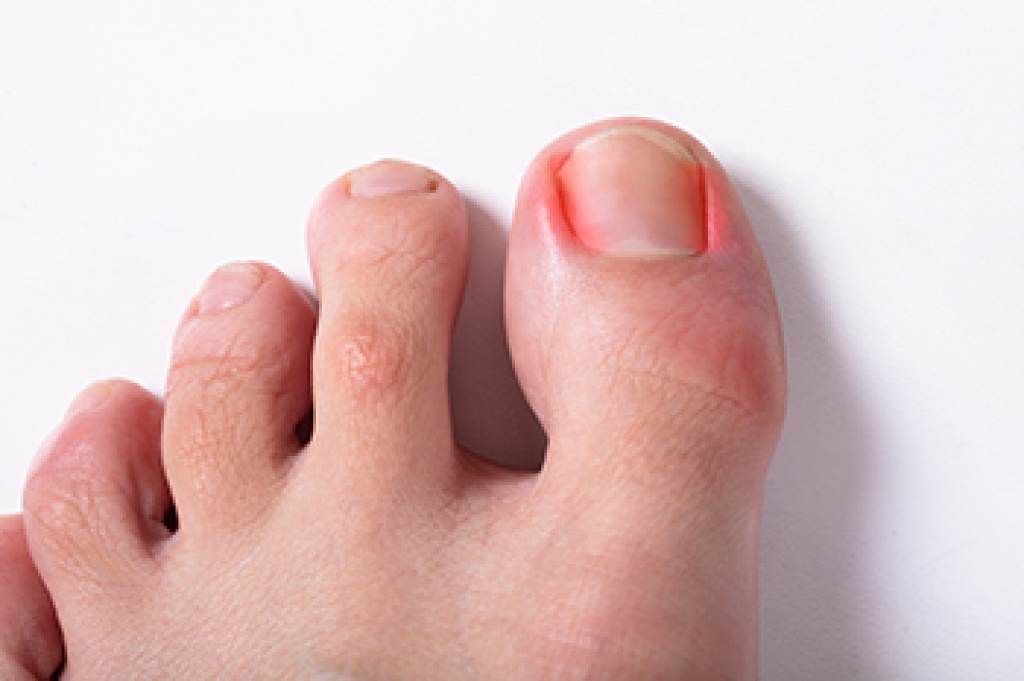
An ingrown toenail happens when the nail edge presses into the surrounding skin, causing pain, redness, swelling, and sometimes infection. Wearing tight footwear, nail trimming habits, injury, and natural nail shape often play a role. Treatment usually focuses on the affected nail itself rather than changing the overall shape of the foot. However, some people with severe or repeated ingrown toenail problems may also have flat feet, which can change how pressure is distributed across the toes and make the condition more difficult to control. A podiatrist can determine whether the issue is simply the nail or whether foot mechanics are contributing to the problem. Care may include reducing inflammation, treating infection, removing the problematic nail border, or addressing pressure-related concerns. If you have recurring or painful ingrown toenails, it is suggested that you visit a podiatrist for appropriate relief and treatment solutions.

Ingrown toenails may initially present themselves as a minor discomfort, but they may progress into an infection in the skin without proper treatment. For more information about ingrown toenails, contact John Mccain, DPM of Advanced Foot & Ankle Specialists, PA. Our doctor can provide the care you need to keep you pain-free and on your feet.

Ingrown Toenails

Ingrown toenails are caused when the corner or side of a toenail grows into the soft flesh surrounding it. They often result in redness, swelling, pain, and in some cases, infection. This condition typically affects the big toe and may recur if it is not treated properly.

Causes

  • Improper toenail trimming
  • Genetics
  • Improper shoe fitting
  • Injury from pedicures or nail picking
  • Abnormal gait
  • Poor hygiene

You are more likely to develop an ingrown toenail if you are obese, have diabetes, arthritis, or have any fungal infection in your nails. Additionally, people who have foot or toe deformities are at a higher risk of developing an ingrown toenail.

Symptoms

Some symptoms of ingrown toenails are redness, swelling, and pain. In rare cases, there may be a yellowish drainage coming from the nail.

Treatment

Ignoring an ingrown toenail can have serious complications. Infections of the nail border can progress to a deeper soft-tissue infection, which can then turn into a bone infection. You should always speak with your podiatrist if you suspect you have an ingrown toenail, especially if you have diabetes or poor circulation.

If you have any questions, please feel free to contact one of our offices located in Stuart and Jupiter, FL . We offer the newest diagnostic and treatment technologies for all your foot care needs.


Read more about Ingrown Toenails

Get Proper Treatment for Ankle Injuries

If you're experiencing ankle pain, you may be suffering from an ankle injury. Sprains, fractures, Achilles tendonitis, and Achilles tendon ruptures are just some examples of potential ankle injuries. Don't wait for care for an ankle injury, as it may worsen over time. We can help!

Pain on the Bottom of the Foot

A number of conditions, including plantar fasciitis, nerve irritation, and Morton’s neuroma, can cause  pain on the bottom of the foot. Plantar fasciitis involves inflammation of a thick band of tissue along the arch. It often causes sharp heel pain, especially with the first steps in the morning. Nerve-related pain may feel like burning, tingling, or numbness and can worsen with activity. Morton’s neuroma is a thickening of tissue around a nerve, usually between the toes. It may feel like walking on a pebble or cause a sharp, shooting pain in the ball of the foot. Symptoms can become more noticeable with pressure or when wearing certain shoes. Causes include overuse, wearing improper footwear, foot structure, or repetitive stress. A podiatrist can evaluate the source of pain and order imaging or physical examination to confirm the diagnosis. Treatment may include supportive footwear, padding, anti-inflammatory care, and targeted exercises. If you have pain on the bottom of the foot, it is suggested that you schedule an appointment with a podiatrist for appropriate treatment solutions.

Foot Pain

Foot pain can be extremely painful and debilitating. If you have a foot pain, consult with John Mccain, DPM from Advanced Foot & Ankle Specialists, PA. Our doctor will assess your condition and provide you with quality foot and ankle treatment.

Causes

Foot pain is a very broad condition that could be caused by one or more ailments. The most common include:

  • Bunions
  • Hammertoes
  • Plantar Fasciitis
  • Bone Spurs
  • Corns
  • Tarsal Tunnel Syndrome
  • Ingrown Toenails
  • Arthritis (such as Gout, Rheumatoid, and Osteoarthritis)
  • Flat Feet
  • Injury (from stress fractures, broken toe, foot, ankle, Achilles tendon ruptures, and sprains)
  • And more

Diagnosis

To figure out the cause of foot pain, podiatrists utilize several different methods. This can range from simple visual inspections and sensation tests to X-rays and MRI scans. Prior medical history, family medical history, and any recent physical traumatic events will all be taken into consideration for a proper diagnosis.

Treatment

Treatment depends upon the cause of the foot pain. Whether it is resting, staying off the foot, or having surgery; podiatrists have a number of treatment options available for foot pain.

If you have any questions, please feel free to contact one of our offices located in Stuart and Jupiter, FL . We offer the newest diagnostic and treatment technologies for all your foot care needs.

Read more about Foot Pain

Mueller-Weiss Disease and Midfoot Pain

Mueller-Weiss disease is a rare foot condition that affects the navicular bone in the midfoot. It can lead to ongoing pain and changes in foot structure. The navicular bone helps in shock absorption and stability during movement. It is believed to develop when the bone does not receive enough blood flow and is placed under uneven pressure, which may cause it to weaken. People with this condition often notice aching or stiffness in the middle of the foot, especially while walking or during activity. Risk factors include unusual foot mechanics, repetitive stress, or developmental factors affecting the bone. Without proper care, symptoms can gradually worsen and impact daily mobility. A podiatrist can carefully evaluate the foot, confirm the diagnosis with imaging, and create a treatment plan that may include supportive devices or activity changes. If midfoot pain continues, it is suggested that you consult a podiatrist who can offer effective relief and management tips.

Some foot conditions may require additional professional care. If you have any concerns, contact John Mccain, DPM of Advanced Foot & Ankle Specialists, PA. Our doctor can provide the care you need to keep you pain-free and on your feet.

Rare Foot Conditions

The majority of foot conditions are common and can be treated by a podiatrist.  Standard diagnostic procedures are generally used to identify specific conditions and treatment can be rendered. A podiatrist also treats rare foot conditions which can be difficult to diagnose and may need extra attention and care. 

There are many rare foot conditions that can affect children. Some of these can include:

  • Freiberg’s disease
  • Kohler’s disease
  • Maffucci syndrome

Freiberg’s disease - This can be seen as a deterioration and flattening of a metatarsal bone that exists in the ball of the foot. It typically affects pre-teen and teenage girls, but can affect anyone at any age. Symptoms that can accompany this can be swelling, stiffness, and the patient may limp. 

Kohler’s disease - This often targets the bone in the arch of the foot and affects younger boys. It can lead to an interruption of the blood supply which ultimately can lead to bone deterioration. The patient may limp or experience tenderness, swelling, and redness.

Maffucci syndrome - This affects the long bones in a child’s foot leading to the development of abnormal bone lesions. They are benign growths and typically develop in early childhood and the bones may be susceptible to breaking. 

A podiatrist can properly diagnose and treat all types of rare foot conditions. If your child is affected by any of these symptoms or conditions, please don’t hesitate to call our office so the correct treatment method can begin.

If you have any questions, please feel free to contact one of our offices located in Stuart and Jupiter, FL . We offer the newest diagnostic and treatment technologies for all your foot care needs.
Read more about Rare Foot Conditions

Total Contact Casting for Diabetic Foot Ulcers

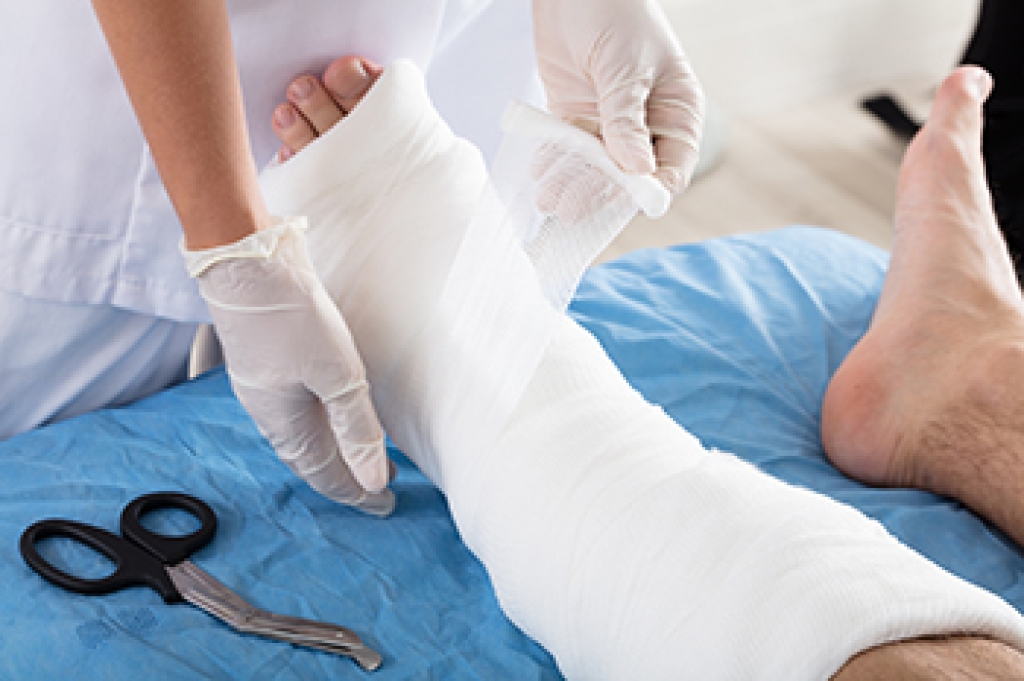
Total contact casting is a specialized treatment used to manage diabetic foot ulcers by distributing pressure evenly across the foot and reducing stress on the wound area. It works by enclosing the foot and lower leg in a carefully molded cast that limits movement and promotes healing through constant contact and offloading pressure. This method is highly effective in encouraging ulcer closure while protecting the affected tissue. Risk factors for poor healing include uncontrolled blood sugar, poor circulation, and prolonged pressure on the foot. A podiatrist plays a key role by applying the cast, monitoring healing progress, and adjusting treatment, as needed. If you have diabetes and have developed a foot ulcer, it is suggested that you are under the care of a podiatrist who can discuss the benefits of this treatment method with you.

Wound care is an important part in dealing with diabetes. If you have diabetes and a foot wound or would like more information about wound care for diabetics, consult with John Mccain, DPM from Advanced Foot & Ankle Specialists, PA. Our doctor will assess your condition and provide you with quality foot and ankle treatment.

What Is Wound Care?

Wound care is the practice of taking proper care of a wound. This can range from the smallest to the largest of wounds. While everyone can benefit from proper wound care, it is much more important for diabetics. Diabetics often suffer from poor blood circulation which causes wounds to heal much slower than they would in a non-diabetic. 

What Is the Importance of Wound Care?

While it may not seem apparent with small ulcers on the foot, for diabetics, any size ulcer can become infected. Diabetics often also suffer from neuropathy, or nerve loss. This means they might not even feel when they have an ulcer on their foot. If the wound becomes severely infected, amputation may be necessary. Therefore, it is of the upmost importance to properly care for any and all foot wounds.

How to Care for Wounds

The best way to care for foot wounds is to prevent them. For diabetics, this means daily inspections of the feet for any signs of abnormalities or ulcers. It is also recommended to see a podiatrist several times a year for a foot inspection. If you do have an ulcer, run the wound under water to clear dirt from the wound; then apply antibiotic ointment to the wound and cover with a bandage. Bandages should be changed daily and keeping pressure off the wound is smart. It is advised to see a podiatrist, who can keep an eye on it.

If you have any questions please contact one of our offices located in Stuart and Jupiter, FL . We offer the newest diagnostic and treatment technologies for all your foot and ankle needs.

Read more about Wound Care
Advanced Podiatric Procedures & Services in the