When Foot Symptoms May Signal Diabetic Neuropathy

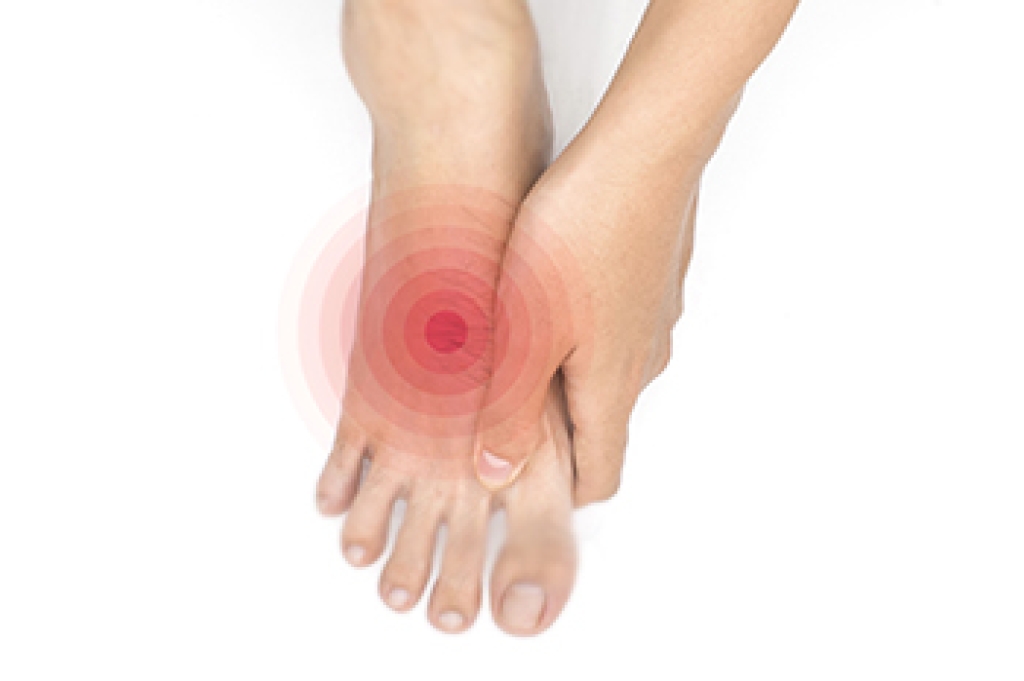
Diabetic neuropathy is nerve damage linked to prolonged blood sugar changes, and the feet are often affected first. Early signs may be easy to ignore, such as tingling, burning, pins-and-needles sensations, or unusual numbness in the toes. Some people feel sharp, shooting pain, while others notice their feet seem less sensitive to heat, cold, or minor injuries. This loss of feeling can be especially concerning because cuts, blisters, or pressure spots may go unnoticed, and worsen over time. Muscle weakness in the feet can also change the way a person walks, leading to balance problems or foot shape changes. Because these symptoms may develop gradually, many people do not realize nerve damage is progressing. Early evaluation can help identify the problem and reduce the risk of serious complications. If you have unusual foot symptoms and diabetes, it is suggested that you are under the care of a podiatrist who can help you to manage this serious condition.

Diabetic foot care is important in preventing foot ailments such as ulcers. If you are suffering from diabetes or have any other concerns about your feet, contact John Mccain, DPM from Advanced Foot & Ankle Specialists, PA. Our doctor can provide the care you need to keep you pain-free and on your feet.

Diabetic Foot Care

Diabetes affects millions of people every year. The condition can damage blood vessels in many parts of the body, especially the feet. Because of this, taking care of your feet is essential if you have diabetes, and having a podiatrist help monitor your foot health is highly recommended.

The Importance of Caring for Your Feet

  • Routinely inspect your feet for bruises or sores.
  • Wear socks that fit your feet comfortably.
  • Wear comfortable shoes that provide adequate support.

Patients with diabetes should have their doctor monitor their blood levels, as blood sugar levels play such a huge role in diabetic care. Monitoring these levels on a regular basis is highly advised.

It is always best to inform your healthcare professional of any concerns you may have regarding your feet, especially for diabetic patients. Early treatment and routine foot examinations are keys to maintaining proper health, especially because severe complications can arise if proper treatment is not applied.

If you have any questions, please feel free to contact one of our offices located in Stuart and Jupiter, FL . We offer the newest diagnostic and treatment technologies for all your foot care needs.

Read more about Diabetic Foot Conditions

What Is Tarsal Tunnel Syndrome?

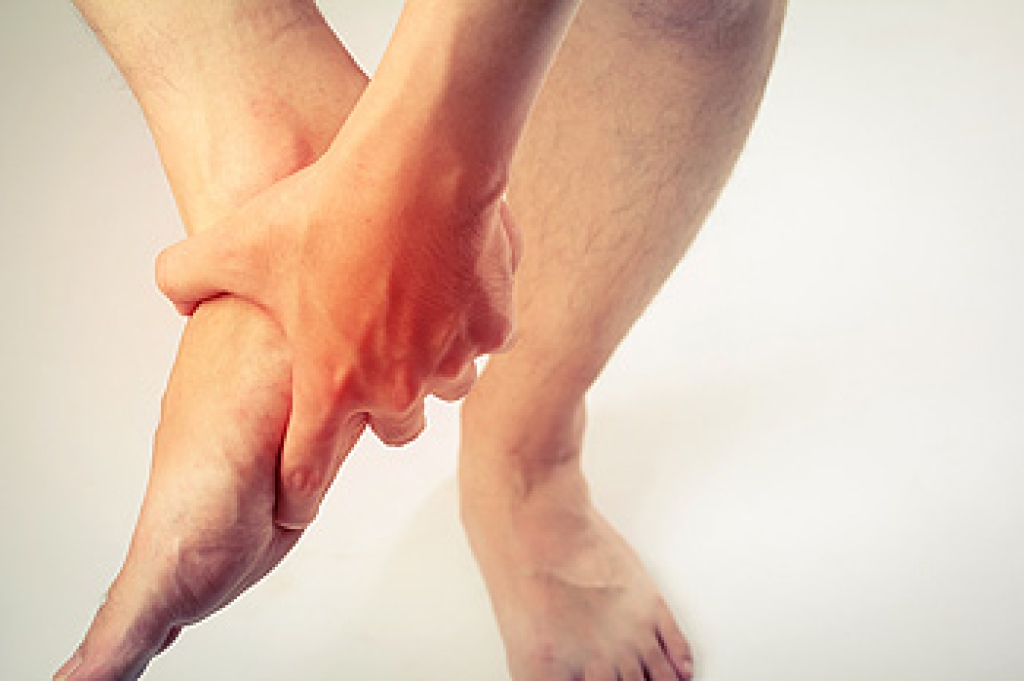
There is a nerve in the foot that is known as the posterior tibial nerve. This is responsible for movement and feeling to different areas of the foot, and is located inside the tarsal tunnel on the inside of the ankle. The condition that is known as tarsal tunnel syndrome can occur if this nerve gets compressed, and it may cause a lack of sensation in the foot. There are common reasons why this condition can develop. These can include a sprained ankle, high arches, or flat feet. Additionally, it may occur as a result of specific medical conditions such as diabetes or a thyroid disorder. Many patients can experience weakened foot muscles, and pain on the bottom of the foot. It may be beneficial to perform certain stretches which help in strengthening the overall foot. If you are experiencing any symptoms of tarsal tunnel syndrome, it is strongly suggested that you seek the counsel of a podiatrist who can properly treat this condition.

Tarsal tunnel syndrome can be very uncomfortable to live with. If you are experiencing tarsal tunnel syndrome, contact John Mccain, DPM of Advanced Foot & Ankle Specialists, PA. Our doctor can provide the care you need to keep you pain-free and on your feet.

Tarsal Tunnel Syndrome

Tarsal tunnel syndrome, which can also be called tibial nerve dysfunction, is an uncommon condition of misfiring peripheral nerves in the foot. The tibial nerve is the peripheral nerve in the leg responsible for sensation and movement of the foot and calf muscles. In tarsal tunnel syndrome, the tibial nerve is damaged, causing problems with movement and feeling in the foot of the affected leg.

Common Cause of Tarsal Tunnel Syndrome

  • Involves pressure or an injury, direct pressure on the tibial nerve for an extended period of time, sometimes caused by other body structures close by or near the knee.
  • Diseases that damage nerves, including diabetes, may cause tarsal tunnel syndrome.
  • At times, tarsal tunnel syndrome can appear without an obvious cause in some cases.

The Effects of Tarsal Tunnel Syndrome

  • Different sensations, an afflicted person may experience pain, tingling, burning or other unusual sensations in the foot of the affected leg.
  • The foot muscles, toes and ankle become weaker, and curling your toes or flexing your foot can become difficult.
  • If condition worsens, infections and ulcers may develop on the foot that is experiencing the syndrome.

A physical exam of the leg can help identify the presence of tarsal tunnel syndrome. Medical tests, such as a nerve biopsy, are also used to diagnose the condition. Patients may receive physical therapy and prescriptive medication. In extreme cases, some may require surgery.

If you have any questions please contact one of our offices located in Stuart and Jupiter, FL . We offer the newest diagnostic and treatment technologies for all your foot and ankle needs.

Read more about Treating Tarsal Tunnel Syndrome

Are You Suffering From Nerve Damage?

Neuropathy is a condition that can lead to numbness or loss of sensation in the feet, but it can also cause pain. This condition is more likely to develop for those who are diabetic, obese, or with high blood pressure.

Foot Problems in Children With Down Syndrome

Children with Down syndrome are more likely to develop foot and ankle problems that affect balance, comfort, and movement. Flat feet are very common because the muscles and ligaments in the feet are often looser than normal. This can place extra strain on the feet and ankles while walking. Some children also develop bunions, where the top of the big toe leans inward and the main joint forms a bump. Ankle instability can lead to frequent tripping or an unsteady gait. A podiatrist can examine the feet and ankles and evaluate how your child walks. Recommendations include more supportive footwear or custom orthotics to improve foot alignment. Braces can also help support weak ankles and improve stability. Regular foot exams are helpful because some problems become more noticeable as children grow. If your child with Down syndrome has foot or ankle pain, it is suggested that you make an appointment with a podiatrist for an exam and treatment.

The health of a child’s feet is vital to their overall well-being. If you have any questions regarding foot health, contact John Mccain, DPM of Advanced Foot & Ankle Specialists, PA. Our doctor can provide the care you need to keep you pain-free and on your feet.

Tips for Keeping Children's Feet Healthy

  • Make sure their shoes fit properly
  • Look for any signs of in-toeing or out-toeing
  • Check to see if they have Clubfoot (condition that affects your child’s foot and ankle, twisting the heel and toes inward) which is one of the most common nonmajor birth defects.
  • Lightly cover your baby’s feet (Tight covers may keep your baby from moving their feet freely, and could prevent normal development)
  • Allow your toddler to go shoeless (Shoes can be restricting for a young child’s foot)
  • Cut toenails straight across to avoid ingrown toenails
  • Keep your child’s foot clean and dry
  • Cover cuts and scrapes. Wash any scratches with soap and water and cover them with a bandage until they’ve healed.

If you have any questions, please feel free to contact one of our offices located in Stuart and Jupiter, FL . We offer the newest diagnostic and treatment technologies for all your foot care needs.

Read more about How to Care for Your Child's Feet

Types of Foot Arthritis and What They Mean

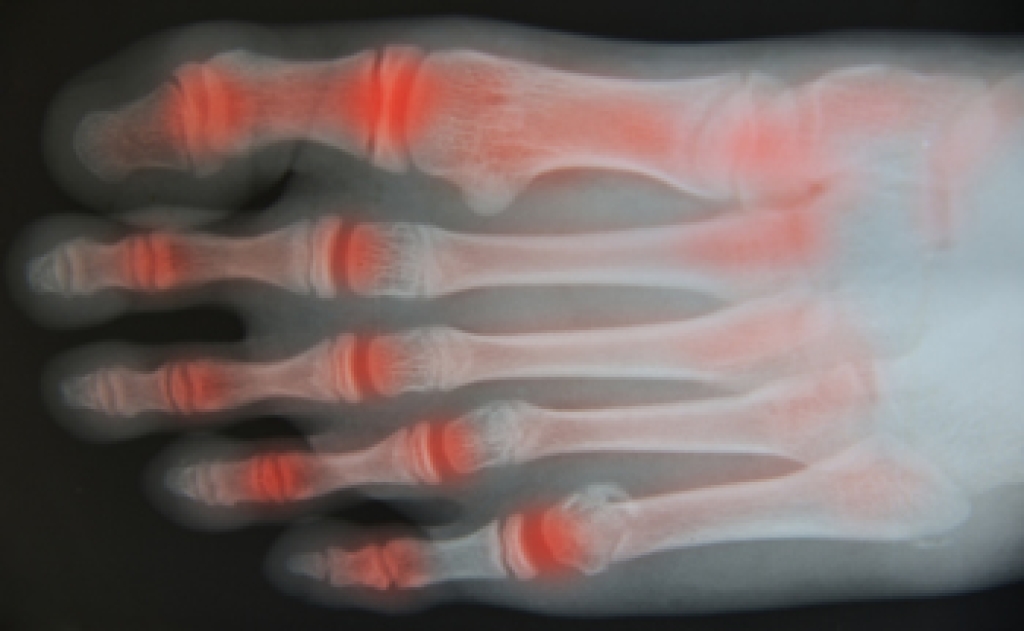
Foot arthritis is a condition that causes inflammation and joint damage in the feet, often leading to pain and limited movement. Osteoarthritis, or OA, develops over time as cartilage wears down, causing stiffness and aching that worsens with activity. Rheumatoid arthritis, or RA, is an autoimmune condition that leads to joint swelling, warmth, and deformity as the immune system attacks healthy tissue. Gout is a form of arthritis caused by a buildup of uric acid crystals, often creating sudden and intense pain, redness, and swelling in the joints. Each type can affect walking and daily comfort in different ways. A podiatrist can diagnose the specific type, provide imaging, and create a treatment plan to protect joint function and reduce pain. If you are experiencing joint pain in your feet,  it is strongly suggested that you consult a podiatrist for proper evaluation and appropriate relief and management solutions.

Arthritis can be a difficult condition to live with. If you are seeking treatment, contact John Mccain, DPM from Advanced Foot & Ankle Specialists, PA. Our doctor can provide the care you need to keep you pain-free and on your feet.

Arthritic Foot Care  

Arthritis is a joint disorder that involves the inflammation of different joints in your body, such as those in your feet. Arthritis is often caused by a degenerative joint disease and causes mild to severe pain in all affected areas. In addition to this, swelling and stiffness in the affected joints can also be a common symptom of arthritis.

In many cases, wearing ill-fitting shoes can worsen the effects and pain of arthritis. Wearing shoes that have a lower heel and extra room can help your feet feel more comfortable. In cases of rheumatoid arthritis, the arch in your foot may become problematic. Buying shoes with proper arch support that contour to your feet can help immensely.

Alleviating Arthritic Pain

  • Exercises that stretch the foot can prevent further pain and injury and increase mobility
  • Most of the pain can be alleviated with anti-inflammatory drugs, heat, and topical medications
  • Massages can help temporarily alleviate pain.

It is best to see your doctor for the treatment that is right for your needs and symptoms. Conditions vary, and a podiatrist can help you determine the right method of care for your feet.

If you have any questions please feel free to contact one of our offices located in Stuart and Jupiter, FL . We offer the newest diagnostic tools and technology to treat your foot and ankle needs.

Read more about Arthritic Foot Care
Advanced Podiatric Procedures & Services in the