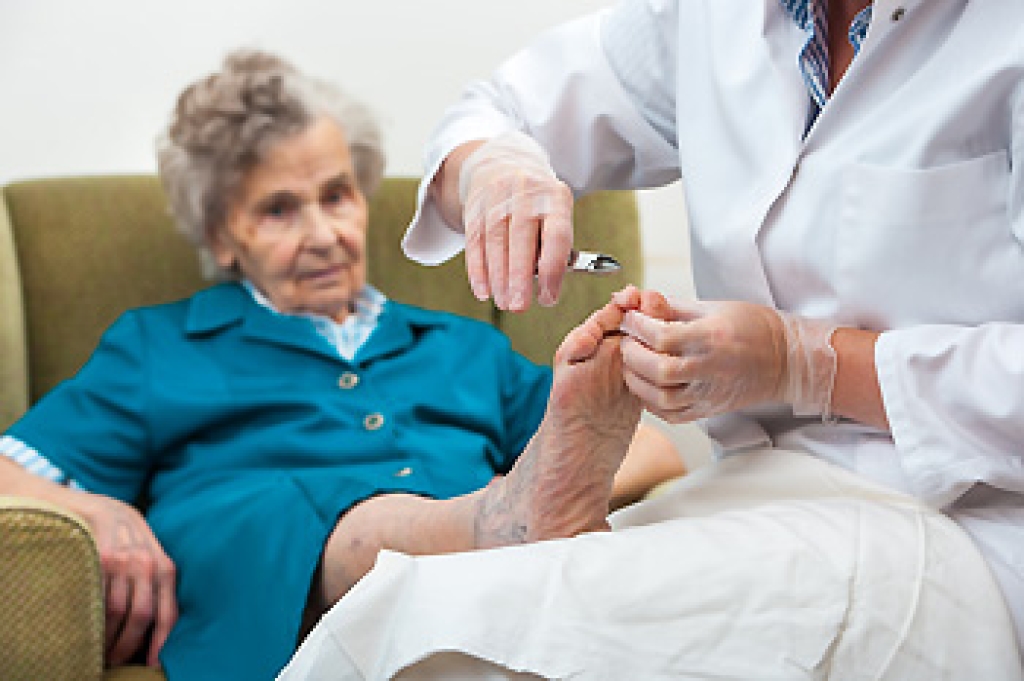
Young feet are springy, strong, and able to absorb shock. Their flexible joints, firm bones, and tendons help the body handle pressure. Aging changes these structures. Tendons lose some stretch, arches can flatten, and joints can become stiff. The padding under the heel and ball of the foot becomes thinner. As a result, standing or walking can feel less comfortable. Skin may become drier and easier to crack, while small injuries can take longer to heal. These changes can make feet less able to handle impact, pressure, and very hot or cold temperatures.
Age also affects muscle strength, circulation, and nail growth. Weaker foot and calf muscles can reduce balance and cause swelling around the feet or ankles. Bones can become thinner, which raises the risk of a fracture. Reduced blood flow can slow healing and make the feet feel cold. Toenails grow more slowly, become thicker, or turn brittle. Older adults are at increased risk of developing bunions, heel pain, and painful calluses. Arthritis, which is joint damage that causes pain and stiffness, can affect the ankle, big toe, or foot joints. These problems can change how a patient stands and walks, increasing strain in other areas.
A podiatrist can assess circulation, skin health, and the way the feet move. The podiatrist can care for thick toenails and calluses, provide padding or custom shoe inserts, and recommend footwear that provides proper support. Treatment can also reduce pressure on sore areas and address changes in foot shape. Regular visits are especially useful for patients with diabetes, poor circulation, or a history of foot wounds. Prompt care is important for swelling, numbness, or color changes. Sores that do not heal also need prompt care. If you have foot problems related to aging, it is suggested that you schedule an appointment with a podiatrist for a diagnosis and appropriate treatment.
If you need your feet checked, contact John Mccain, DPM of Advanced Foot & Ankle Specialists, PA. Our doctor will attend to all of your foot and ankle needs and provide you with quality treatment.
Geriatrics and Podiatry
When people age, some common issues that may occur are bone density loss, dry skin, poor circulation, and rough brittle nails. These issues may also affect your foot health if the necessary steps are not taken to alleviate the problems.
It is important to take care of your feet because feet that are injured or diseased can affect your overall health. Having painful feet hinders your ability to do daily activities or may decrease your willingness to do the things that you need to do.
Visiting Your Geriatrician
As we age, health problems become more likely, so it is essential to visit your doctor for check-ups to ensure that you are doing the best you can to take care of your health. It is recommended to check your feet frequently for any possible cuts, bruises, swelling, corns or any other irregularities.
Taking Care of Elderly Feet
Cracked or dry feet can be treated by applying moisturizer often. It is also important not to wear old socks because the older the sock is, the higher the possibility there will be that there is bacteria there. Wear fresh socks and make sure they fit properly.
Proper foot health means that you can have a more active lifestyle and you will not be bogged down by pain. Foot health also leads to good circulation, which is paramount for overall health.
If you have any questions, please feel free to contact one of our offices located in Stuart and Jupiter, FL . We offer the newest diagnostic and treatment technologies for all your foot care needs.
