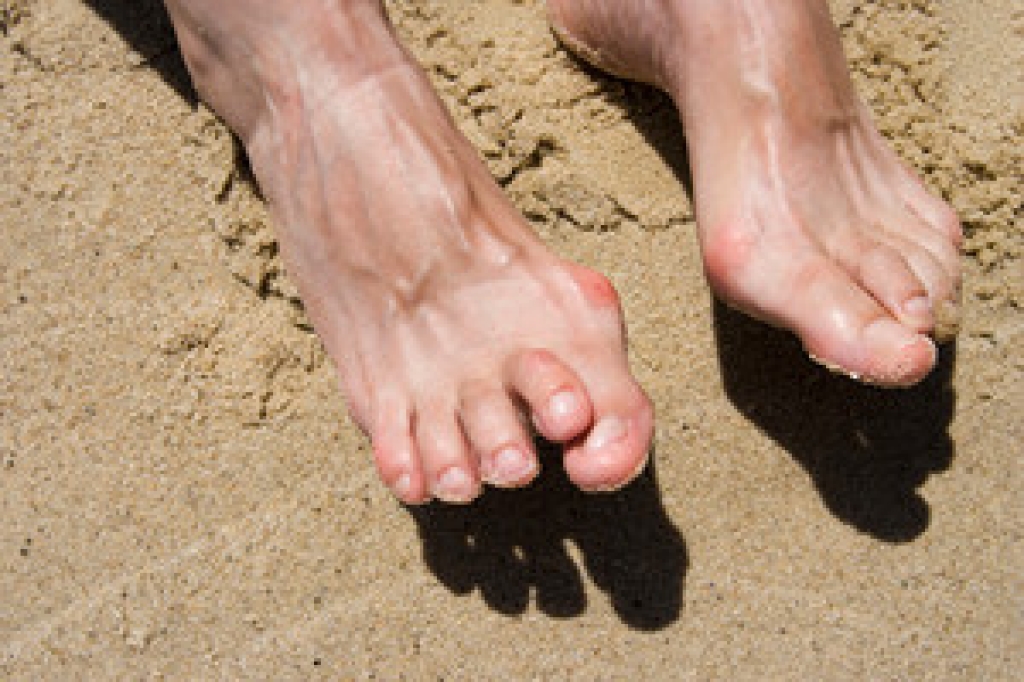
Hammertoe develops when a toe bends abnormally at its middle joint, creating a raised appearance. This deformity most often affects the second, third, or fourth toe. The change occurs when the muscles and tendons that control toe movement become unbalanced. Over time, the toe may remain bent. Foot structure and inherited traits may influence who develops hammertoe. Shoes with a narrow toe box may also crowd the toes and increase pressure on an existing deformity. Some people develop hammertoe along with bunions, which can change the position of neighboring toes. In its early stages, the affected toe may still be straightened out with gentle movement. As the deformity progresses, the joint may become stiff and harder to move. Recognizing these changes is important because the condition may gradually interfere with comfortable walking.
A bent toe does not always cause pain at first. However, the raised joint may rub against the inside of a shoe, creating irritation. Corns can develop on top of the bent joint, and calluses may form where pressure builds beneath the foot. These thickened areas of skin can become tender and make footwear uncomfortable. Some individuals notice redness or swelling around the affected toe. Others experience aching in the ball of the foot because the altered toe position changes how pressure is distributed. As the joint becomes less flexible, finding shoes that fit comfortably may become difficult. Pain may be especially noticeable after long periods of standing or walking. The severity of symptoms depends on the toe's flexibility, the amount of pressure involved, and the degree of deformity. A persistent change in toe shape should be evaluated even when discomfort seems mild.
A podiatrist examines hammertoe by assessing toe alignment, joint flexibility, and areas of painful pressure. The exam also considers foot structure and how the toes function during walking. Treatment depends on whether the toe remains flexible or has become rigid. A podiatrist may recommend footwear with additional toe space, protective padding, or orthotic support to reduce irritation. These approaches aim to improve comfort and limit pressure, although they do not necessarily straighten a fixed deformity. When symptoms are severe or the joint is rigid, the podiatrist may discuss additional treatment options. If you are experiencing painful bent toes or difficulty wearing shoes because of a hammertoe, it is suggested that you consult a podiatrist for an evaluation and appropriate treatment options.
Hammertoe
Hammertoes can be a painful condition to live with. For more information, contact John Mccain, DPM from Advanced Foot & Ankle Specialists, PA. Our doctor will answer any of your foot- and ankle-related questions.
Hammertoe is a foot deformity that affects the joints of the second, third, fourth, or fifth toes of your feet. It is a painful foot condition in which these toes curl and arch up, which can often lead to pain when wearing footwear.
Symptoms
- Pain in the affected toes
- Development of corns or calluses due to friction
- Inflammation
- Redness
- Contracture of the toes
Causes
Genetics – People who are genetically predisposed to hammertoe are often more susceptible
Arthritis – Because arthritis affects the joints in your toes, further deformities stemming from arthritis can occur
Trauma – Direct trauma to the toes could potentially lead to hammertoe
Ill-fitting shoes – Undue pressure on the front of the toes from ill-fitting shoes can potentially lead to the development of hammertoe
Treatment
Orthotics – Custom made inserts can be used to help relieve pressure placed on the toes and therefore relieve some of the pain associated with it
Medications – Oral medications such as anti-inflammatories or NSAIDs could be used to treat the pain and inflammation hammertoes causes. Injections of corticosteroids are also sometimes used
Surgery – In more severe cases where the hammertoes have become more rigid, foot surgery is a potential option
If you have any questions, please feel free to contact one of our offices located in Stuart and Jupiter, FL . We offer the newest diagnostic and treatment technologies for all your foot care needs.
